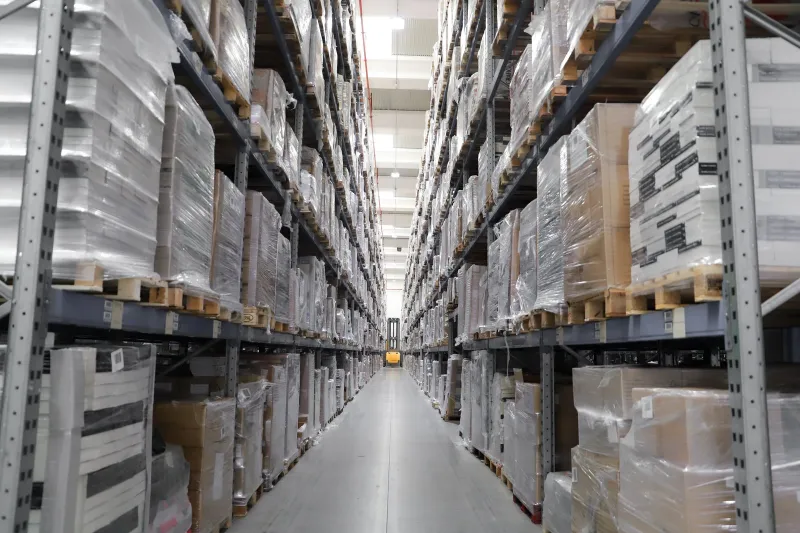
Restaurant kitchens
Textured, chemical-resistant systems that handle grease, hot water and constant mopping.
Your floor works as hard as your staff. A commercial coating stands up to constant traffic, spills and cleaning, and makes the whole place look cared for.
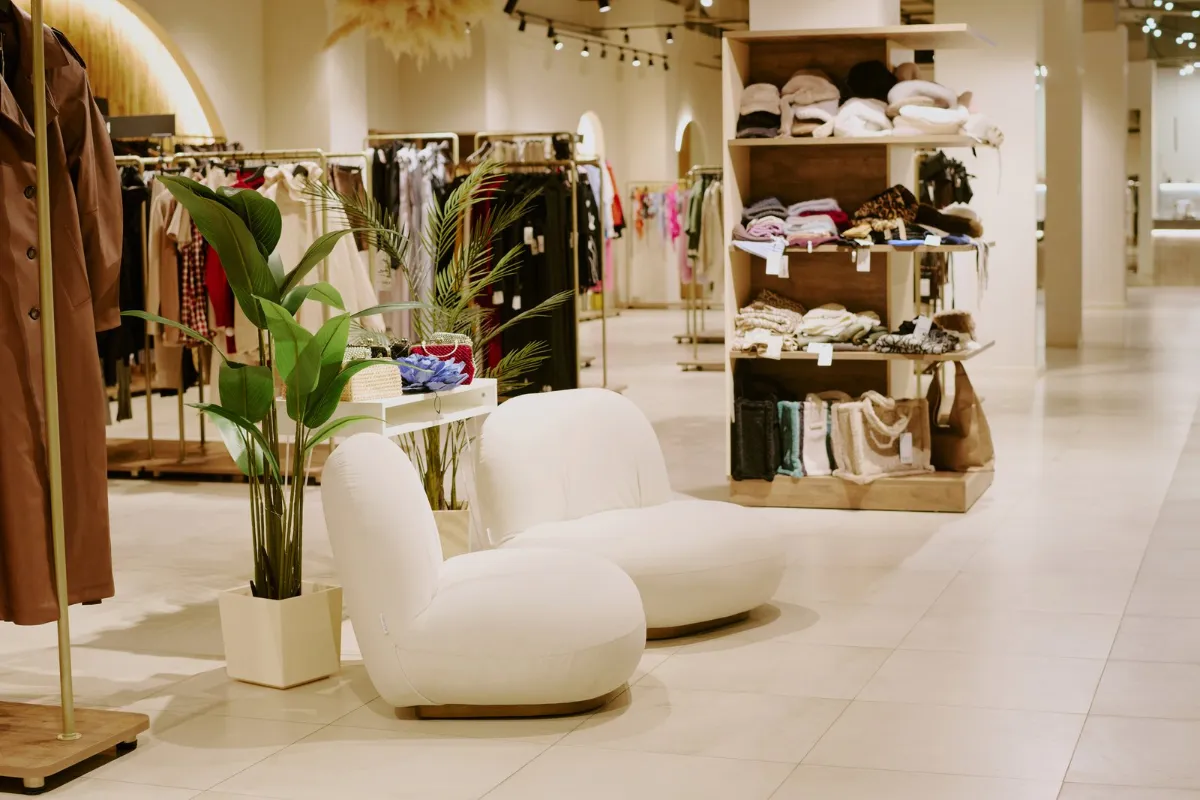
Bullhead City runs on hospitality, retail and services. Restaurants and bars feed visitors and locals. Shops line the Parkway and Highway 95. Clinics, dental offices and veterinary practices serve a growing population, including many retirees and winter residents. Each of these businesses needs a floor that is safe, clean and durable, and that does not shut the doors for a week when it needs work.
Commercial epoxy and related systems meet those needs. They are seamless, so dirt and bacteria have fewer places to hide. They resist the cleaners and spills of a working business. They can be textured for safety or finished for style. This page explains the systems we use, how we schedule around your business, and what to expect.
Commercial floors face requirements that home floors rarely do. They must be slip-resistant where water, grease or ice are present. They must stand up to daily cleaning with commercial chemicals. They must handle carts, dollies and chairs dragged across them. In health care and food service, they must be easy to sanitize. And they must look professional, because customers notice floors.
We design every commercial floor around those requirements first, then choose colors and finishes that suit the business.
Each type of business has its own priorities.
Textured, chemical-resistant systems that handle grease, hot water and constant mopping.
Flake, solid color or metallic finishes that look sharp and resist foot traffic.
Seamless, easy-to-sanitize floors in calm, professional colors.
Tough floors for auto service, marine sales and equipment rental counters.
Closing is expensive, so we plan the work to keep you running.
We agree on the plan in writing before work starts, including when each area will be back in use.
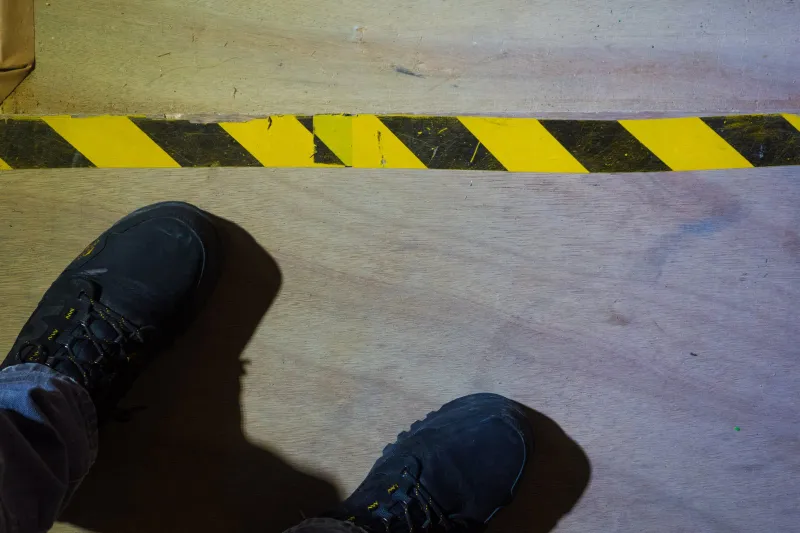
We look at the floor, measure, test moisture and discuss your operations.
A written scope with system, phases and timing.
Removal of old flooring, grinding and repairs with dust control.
System layers applied by phase, with texture where needed.
Inspection, cure guidance and cleaning recommendations for your staff.
Commercial buildings here bring their own challenges. Front doors open constantly, letting in heat and dust. Air conditioning may cycle off at night to save energy, which changes slab temperatures. Many buildings have been remodeled several times, leaving layers of tile, adhesive and old coatings.
We plan for these conditions. We ask that the HVAC run during and after coating, seal entrances during application and test slabs for moisture and old adhesives before we quote. For storefronts that get morning or afternoon sun through large windows, we use UV-stable topcoats.
A failed commercial floor costs far more than the floor itself: lost business, a second closure and the cost of grinding off a bad coating. Professional installers bring proper grinding and dust control, commercial-grade materials and the planning to work around a live business. They also understand slip resistance and cleaning requirements.
Kitchens are the toughest floors in most restaurants. They see grease, hot water, sanitizers, dropped pans and constant mopping. We use thicker, textured systems that drain well and resist thermal shock from hot water and steam cleaning. Cove bases, where the coating runs up the wall a few inches, eliminate the seam where dirt collects. Dining rooms and bars can get decorative finishes that match the decor.
In retail spaces, the floor is part of the brand. Flake floors in neutral or brand colors are durable and forgiving. Metallic finishes make a statement in boutiques, salons and showrooms. Solid colors in satin give a clean, modern look. All are seamless and easy to keep tidy, even with sand coming in from the parking lot. See metallic epoxy for decorative options.
Health care and veterinary spaces need floors that are simple to disinfect, comfortable to stand on and calm to look at. Seamless coatings with integral cove bases eliminate many of the gaps where bacteria hide. We choose topcoats that handle hospital-grade disinfectants, and colors that look clean without glare.
We give your staff simple care instructions. Most commercial floors need daily sweeping or dust mopping, regular damp mopping with neutral cleaners and prompt cleanup of spills. Entrance mats catch most grit before it reaches the floor. Avoid harsh acid cleaners unless the topcoat is rated for them. When traffic lanes start to wear, a topcoat refresh restores the surface without full replacement.
Price depends on area, existing flooring removal, slab condition, the system chosen, phasing requirements and after-hours work. Kitchens with cove bases and thicker systems cost more per square foot than a retail flake floor. We provide a detailed written proposal so you can see exactly what is included.
Boat dealers, powersports showrooms and equipment rental counters sit somewhere between retail and industrial. Customers expect a polished look, yet the floor also carries heavy machines, trailers and the odd fluid leak. For these spaces we often pair a hard, light-colored flake system in the showroom with a tougher, textured build in the service and prep areas behind it. Matching base colors keeps the whole building looking consistent while each zone gets the protection it actually needs.
A lot of commercial space around town has changed hands several times. Pull up the carpet in an older storefront and you might find vinyl tile, mastic, a patched slab and paint from three tenants ago. Each layer has to come off before a coating can bond. We probe a few spots during the site visit so the quote reflects what is really there, and we flag anything that may need testing before removal, such as old black adhesives, so nothing surprises you mid-project.
Floors in customer areas should support the look of the business rather than compete with it. Warm neutrals and soft greys hide the tan dust that comes in from parking lots and pair well with most interiors. Kitchens and back-of-house areas usually go light grey or tan for visibility and cleanliness. If you have brand colors, we can use them for accents, borders or a logo at the entrance, while keeping large areas calm and easy to maintain.
Often, yes, by coating in phases or outside business hours. We agree on a plan before starting.
It depends on the system. Fast-cure topcoats can return areas to service within a day.
They can be. We add texture in kitchens, entries and wet areas.
Yes. We can remove tile, VCT and adhesives as part of the project.
We schedule odor-producing steps outside business hours and use low-odor products where possible.
Yes. Custom colors, flake blends and logos or markings can be built into the floor.
Yes, especially in kitchens and clinics where seamless walls and floors are important.
Yes, across Fort Mohave, Mohave Valley, Kingman and nearby communities.
Sometimes. If the existing coating is well bonded, we sand it, clean it and recoat. If it is peeling or contaminated, it has to be ground off first. We test adhesion at the site visit.
Tell us about your business and when you can schedule work. We will visit, assess the floor and send a written proposal with phases and timing.
Prefer to talk? (928) 555-0147