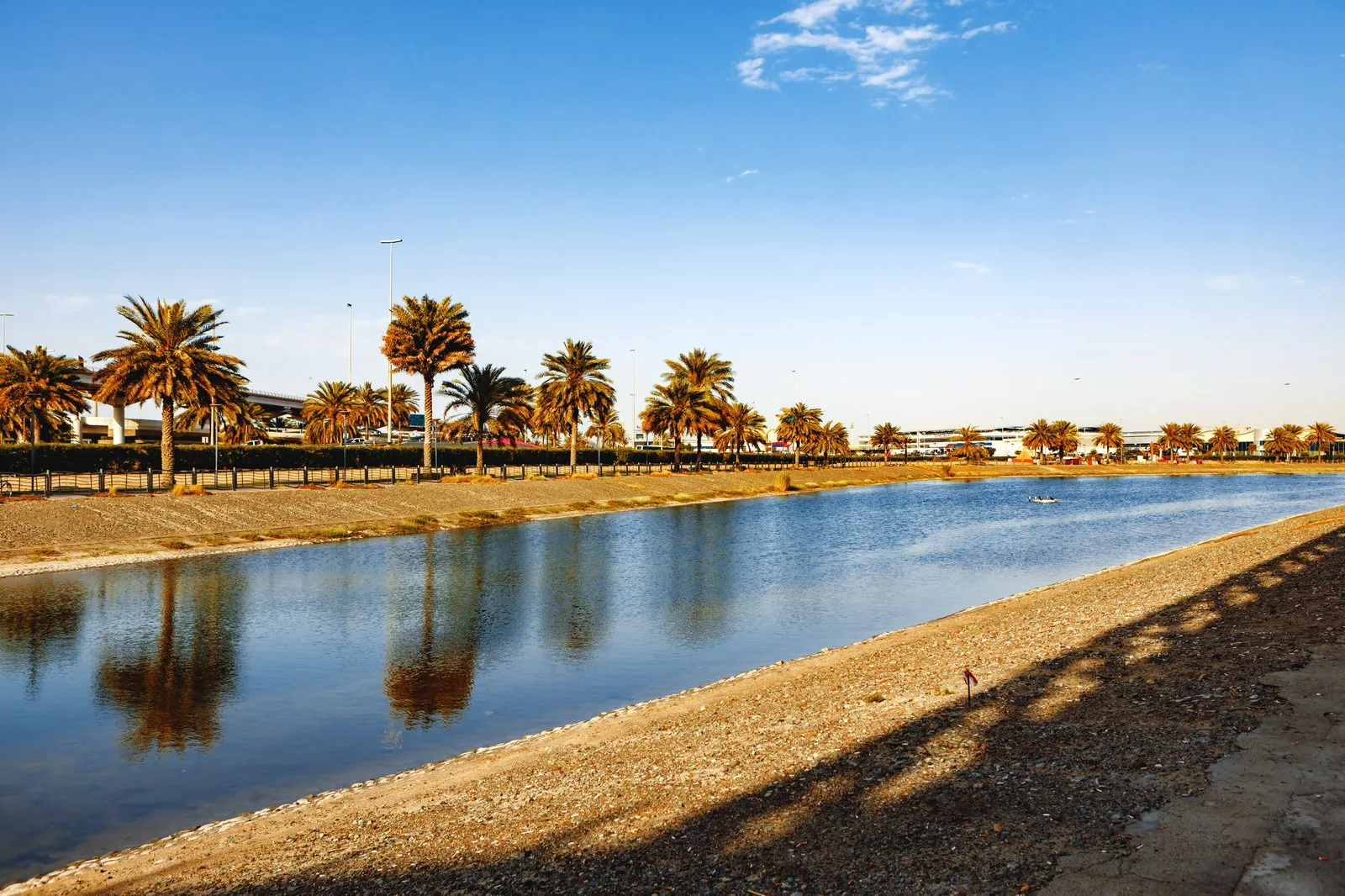
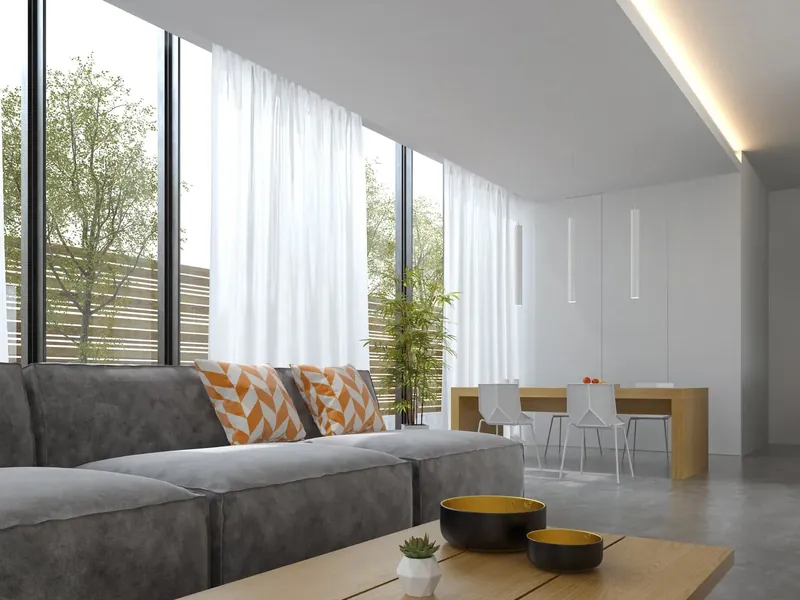
Solid color, satin
Calm and modern. Warm greys and sand tones work well with stucco walls and wood furniture.
Most homes here sit on concrete slabs. Coating that slab gives you a seamless floor that stays cool, wipes clean in minutes and never traps the fine dust that drifts in on windy days.
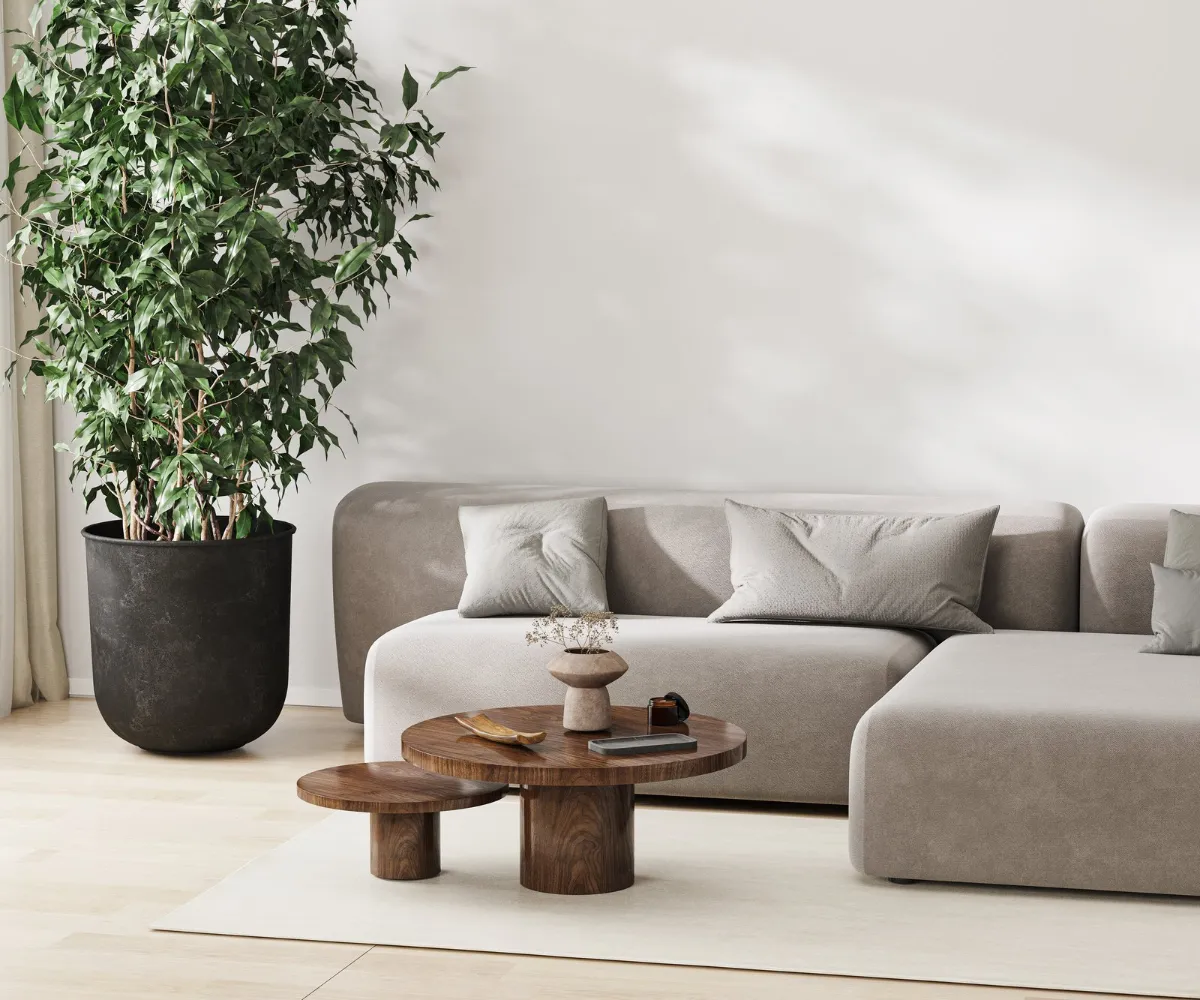
Carpet and desert dust are not good friends. Every windy spring day and every monsoon gust pushes a little more fine grit into the fibers. Tile handles the dust better, but grout lines stain and crack, especially on slabs that move slightly with the seasons. Many homeowners around Bullhead City and Fort Mohave have started asking about a third option: coating the slab itself.
A residential epoxy floor is a seamless, sealed surface poured and rolled in place over your existing concrete. It can be a single calm color, a speckled stone look, a quartz texture or a full metallic finish. It is cool to walk on in summer, easy to mop and leaves nowhere for dust or allergens to hide. This page explains where it works inside the house, what the options are, and how we install it cleanly in a lived-in home.
Interior coatings work best where the slab is sound and the room sees real use. Laundry rooms and mudrooms are natural candidates, since they get wet and sandy. Casitas and guest suites benefit because they sit empty for stretches and should be quick to freshen up. Game rooms, home gyms and hobby rooms need a floor that takes knocks. And in open-plan living areas with a modern look, a coated floor can be the main design feature.
We are more cautious in bedrooms, where many people still prefer something softer, and in rooms with known moisture problems, which need testing first.
The same basic system can look very different depending on the finish.
Calm and modern. Warm greys and sand tones work well with stucco walls and wood furniture.
Small chips give a subtle speckle that hides dust and footprints better than a solid color.
Colored quartz grains give a fine stone-like grip, popular in laundry and mudrooms.
Hand-worked pigments with depth and movement. See metallic epoxy.
For slabs with attractive character, a clear coat can protect what is already there.
A coated slab stays as cool as the concrete underneath it, which in an air-conditioned home is a real plus during a long summer. Bare feet stay comfortable, pets often prefer lying on it, and there is no padding underneath holding warmth.
In winter, the floor will feel cooler than carpet. Area rugs solve that easily, and they are simple to shake out and move. If your home has radiant floor heating, a coating can work over it, though we plan the installation around the heat cycle.
Satin and matte finishes are popular indoors because they feel softer to the eye and show fewer footprints than high gloss.
Slabs on grade can carry moisture up from below. We test before we quote so we can plan a primer if needed.
Carpet, tile or vinyl comes out. Tile removal can expose adhesive and thinset that must be ground off.
Plastic barriers and HEPA vacuums keep dust in the work room, not the rest of the house.
Cracks and low spots are filled so the finished floor reads flat and even.
Primer, body coat and topcoat, with ventilation managed throughout.
We tell you when to walk on it, and when furniture can come back.
Most families stay at home while we work on one or two rooms. We seal off the area, run extraction during grinding, and choose low-odor products where they suit the job. Some coatings have a noticeable smell for a day or so, and we tell you in advance. If you are coating a large part of the house, you may prefer to schedule it while you are away. For winter visitors, that often means arranging the job just before you arrive or just after you leave.
Carpet is quick to pull, but the tack strips leave nail holes along the walls that need filling. Tile is a bigger job: it has to be broken out, and the thinset left behind must be ground down to clean concrete. Vinyl and laminate often leave adhesive that gums up grinders. We can handle the removal as part of the project or work with a demolition crew you already have. Either way, we look closely at the slab once it is exposed, because old flooring sometimes hides cracks or patches.
It is easy to assume a desert slab must be bone dry, but that is not always true. Homes near the river, homes with irrigated landscaping close to the foundation, and slabs without a vapor barrier can all carry moisture upward. Under a non-breathing coating, that moisture can build pressure and cause blisters.
That is why we test before we quote. If readings are high, we use a moisture-tolerant primer designed for the job, or recommend a different approach. Indoor temperatures also matter: we ask that the air conditioning stay on during and after installation so the coating cures evenly.
An interior floor is judged up close, under window light, every day. Flatness, smooth edges along baseboards, clean transitions at doorways and a consistent sheen all depend on skill and patience. Grinding indoors without contained dust collection would coat your whole house in powder. A trained crew with the right equipment avoids both problems.
Where a coated floor meets carpet, wood or tile in the next room, we finish with a neat, low transition strip or a ground-in edge. Baseboards are usually removed and reinstalled after coating, which gives the cleanest line. If they are staying, we mask carefully and cut in by hand. Sliding door tracks and thresholds get extra attention so water from the patio cannot sneak under the coating.
Inside, the floor shares the stage with walls, cabinetry and furniture, so most people choose quieter tones. Warm greys, soft taupe and sandy beige suit the light here and hide desert dust well. Very dark floors look dramatic but show every footprint. Bright white looks crisp in photos but shows sand quickly. We bring samples to view in your rooms at different times of day before you decide.
Dust mop or vacuum with a hard-floor setting, and damp mop with a neutral cleaner. Put felt pads on chair and table legs. Use mats at exterior doors to catch sand before it gets tracked through. Avoid oil soaps and wax products, which leave a film. If the topcoat dulls in a busy hallway years from now, it can be refreshed without redoing the floor.
Interior projects are priced on area, the work needed to remove old flooring, the amount of slab repair and leveling, moisture mitigation if required, and the finish. Solid colors cost less than metallic or quartz systems. Baseboard removal and reinstallation, furniture moving and transition strips are itemized so you know exactly what is included.
It feels cooler than carpet, much like tile. Area rugs make living spaces cozy in the cooler months.
Some products have an odor during installation and for a short time after. We use low-odor options where they suit the job and tell you what to expect.
Not reliably. Tile is removed and the concrete underneath is ground and coated directly.
Light foot traffic is usually fine within a day. Heavy furniture typically waits a few days, depending on the system and temperature.
The topcoat resists everyday wear well. Grit underfoot and dragged furniture are the main causes of scratches, so mats and pads help.
Very much so. It cleans quickly between guests and stands up to heavy use.
Yes, with transitions at doorways. Many people use the same color throughout for a seamless look.
We fill and grind them flush. Hairline cracks can sometimes reappear if the slab moves, and we will point out any that might.
Tell us which rooms you are thinking about and what is on the floor now. We will visit, test the slab and give you a written quote.
Prefer to talk? (928) 555-0147