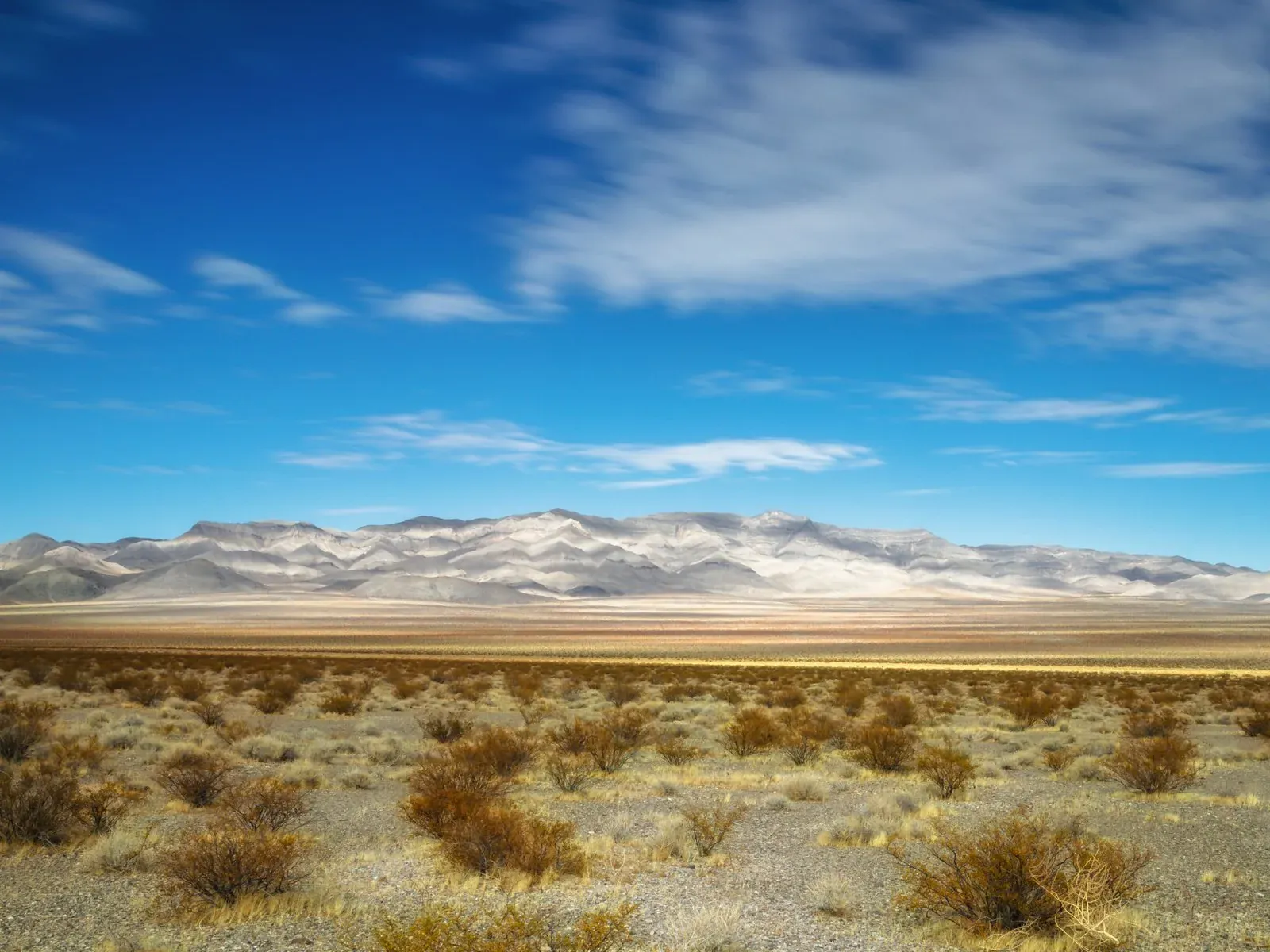
Desert neutrals
Tan, beige, cream and a touch of brown. Hides sand and dust better than anything else.
A flake floor scatters thousands of colored chips through a coating, giving it a speckled look like natural stone. In a town where sand and dust find their way into everything, that camouflage is a real advantage.
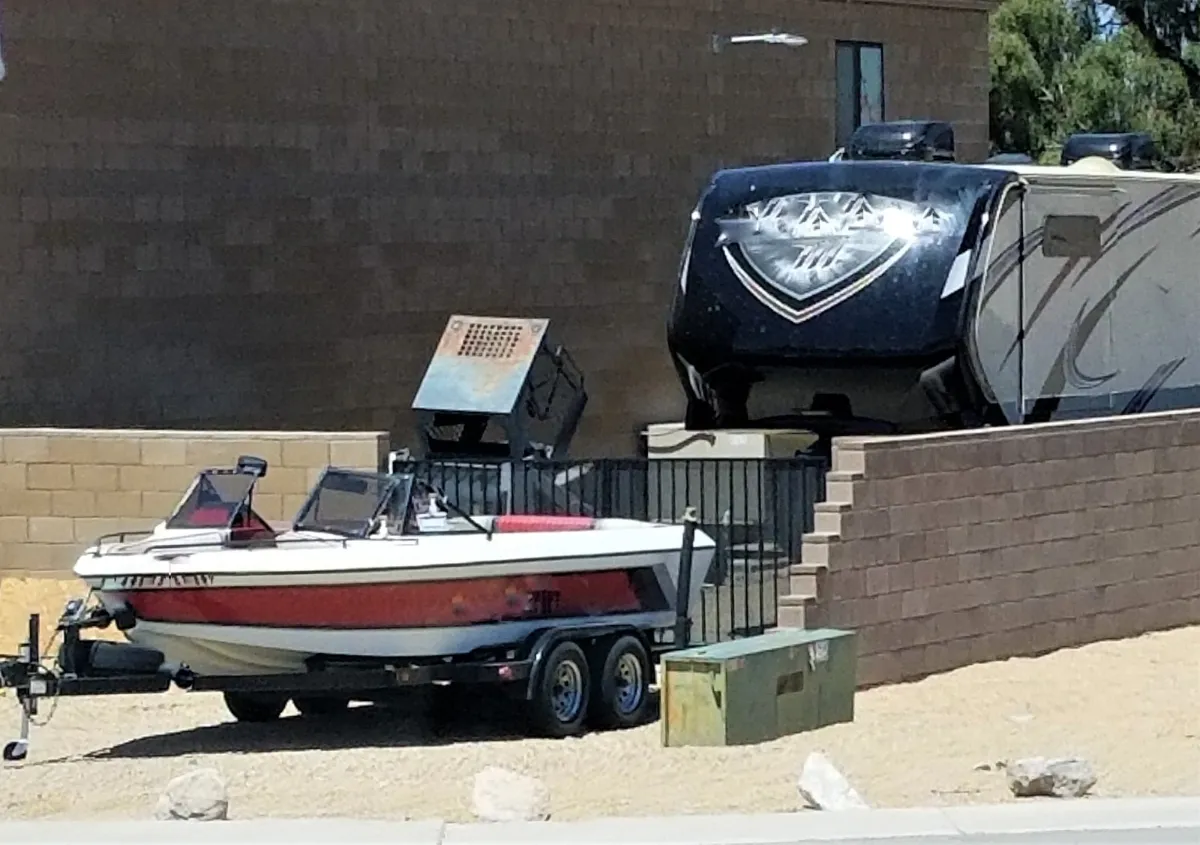
If you have spent a summer weekend at the river, you know how far sand travels. It comes home in the boat, in the cooler, on the dog, in every shoe. On a plain, solid-color floor, every grain shows. On a flake floor, it blends in.
That is the main reason flake systems are the most popular finish we install. They also add texture underfoot, hide minor imperfections in the slab and give a garage or utility room a finished, designed look. This page explains how a flake floor is built, how to choose a blend and coverage, and where flake works beyond the garage.
The flakes are thin, irregular chips of colored vinyl, sold in blends of several colors. After the slab is ground and repaired, we roll on a pigmented base coat. While that base is still wet, we throw handfuls of flake into the air so they land in an even, random pattern and stick in the resin.
Once the base cures, we scrape the floor with a long-handled blade to knock down chips that landed on edge, then vacuum away the loose ones. A clear topcoat goes on last. That topcoat seals the flakes in, controls how much texture you feel underfoot, and takes the daily wear. It is also where we add extra grit if you want more grip.
There are dozens of stock blends, and most fall into a few broad families.
Tan, beige, cream and a touch of brown. Hides sand and dust better than anything else.
Grey, white and soft blue. Fresh and clean, good with modern homes.
Copper, rust, brown and black. Rich and earthy, great beside stone and wood.
Black, white and grey. A classic look that hides tire marks well.
We match the base coat color to the blend so the floor reads evenly, even in partial coverage. Samples come to every estimate, because blends look different in a dim garage than in a catalog.
Chip size changes the character of the floor. Quarter-inch chips are the common garage choice: bold, textured and very forgiving. Eighth-inch chips read finer and suit laundry rooms and offices. Micro flake looks almost like a fine granite.
Coverage is either full or partial. Full broadcast means we throw flake until no base coat shows. It gives the deepest texture and the best concealment, and it hides slab imperfections. Partial broadcast lets the base color show between chips for a lighter, more modern look, though it shows a little more dust.
For most river-town garages, full coverage with a quarter-inch blend is the practical answer.
Remove sealers, stains and weak surface concrete; open the pores.
Fill cracks, pits and spalls, then grind flush.
Roll a tinted base in sections sized to the slab temperature.
Throw flake evenly in overlapping passes while the base is wet.
Knock down raised chips and vacuum loose ones once cured.
Seal with a clear, UV-stable topcoat, adding grit where needed.
Heat is the main challenge during installation. A hot slab shortens the time we have to throw flake before the base coat starts to set, so we work in smaller sections and start early in summer. In winter, a cool slab gives us more time but slows curing.
After installation, sunlight is the concern. Vinyl flakes are color-stable under the clear coat, but the topcoat itself has to resist UV, so we use polyaspartic or aliphatic urethane wherever daylight reaches the floor. Lighter blends also reflect heat and stay cooler, which matters in a garage that faces west.
An even broadcast takes practice. Too little in one spot and you get bald patches; too much and you get clumps. Both are permanent once the base sets. The scrape and topcoat also need care, or the floor ends up rough and hard to clean. Experienced installers make it look easy, which is exactly the point.
People sometimes worry that a flake floor will feel rough. With a properly scraped and topcoated floor, it does not. A full broadcast with one topcoat has a gentle orange-peel texture that gives grip without being uncomfortable barefoot. A second topcoat makes it smoother and easier to mop. If you want more grip, for example near a pool door or wash area, we add fine aluminum oxide grit to the final coat.
The topcoat sets the sheen. High gloss makes colors pop and reflects the most light, which helps in a dim garage. Satin is softer and better at hiding fine scratches and water spots. Matte is subtle and modern but can show scuffs more readily. Most of our garage clients choose gloss or satin, while laundry rooms and interiors lean toward satin.
Sweep or use a leaf blower to clear sand and dust. Rinse with water and a soft brush or mop with a neutral cleaner when it needs more. Avoid acidic and citrus degreasers, which can dull the topcoat. Wipe up oil and fuel promptly. If the topcoat starts to look tired in the main traffic lanes years from now, it can be scuffed and recoated without touching the flake layer.
Area is the starting point. Slab condition is the largest variable, since removing old coatings and repairing cracks takes time. Full coverage uses more flake than partial. Custom blends cost more than stock ones. A second topcoat, stem wall coating and extra grit are options we list separately so you can decide what matters to you.
Flake floors are a smart choice for businesses that want something durable and attractive without a high price. Retail shops, salons, gyms, vet clinics and auto service waiting rooms all benefit from a floor that looks clean between cleanings. For vacation rentals and property managers, flake garages and laundry rooms reduce turnover time, since a quick rinse is all they need between guests.
Garages that hold boats, jet skis and side-by-sides take a lot of sand, water and grit. A full broadcast of a warm, mid-tone blend hides it all between cleanings, and the texture keeps footing secure when the floor is wet from rinsing gear. We often add a second topcoat in these garages for extra wear resistance and a smoother surface that is easier to squeegee dry.
Mid-tone blends with tan and grey in them hide local sand and dust best. Very dark and very light blends show more.
The flakes are color-stable under a UV-resistant topcoat. The topcoat is what protects the floor from sun damage.
No. They are fully embedded in the base coat and sealed by the topcoat.
Less than a smooth floor. We can add grit to the topcoat for extra grip where needed.
Most garages take one to two days, depending on the system and slab condition.
Often, yes. Bring a photo and we will find the closest match or have a custom blend made.
Yes, under a covered patio with an outdoor topcoat. Uncovered areas are better with a lighter, cooler system; see our patio coatings.
Yes. The topcoat can be refreshed after years of wear without redoing the flake layer.
We will bring blend samples, look at your concrete and give you a written quote with full and partial coverage options.
Prefer to talk? (928) 555-0147