Polyurea coatings for floors that take a beating
Polyurea is tough and flexible. It handles impacts, heavy equipment and big temperature swings that can crack harder coatings, which makes it a strong choice for working floors.
- Flexible under load
- Impact-resistant
- Handles heat swings
- Fast curing
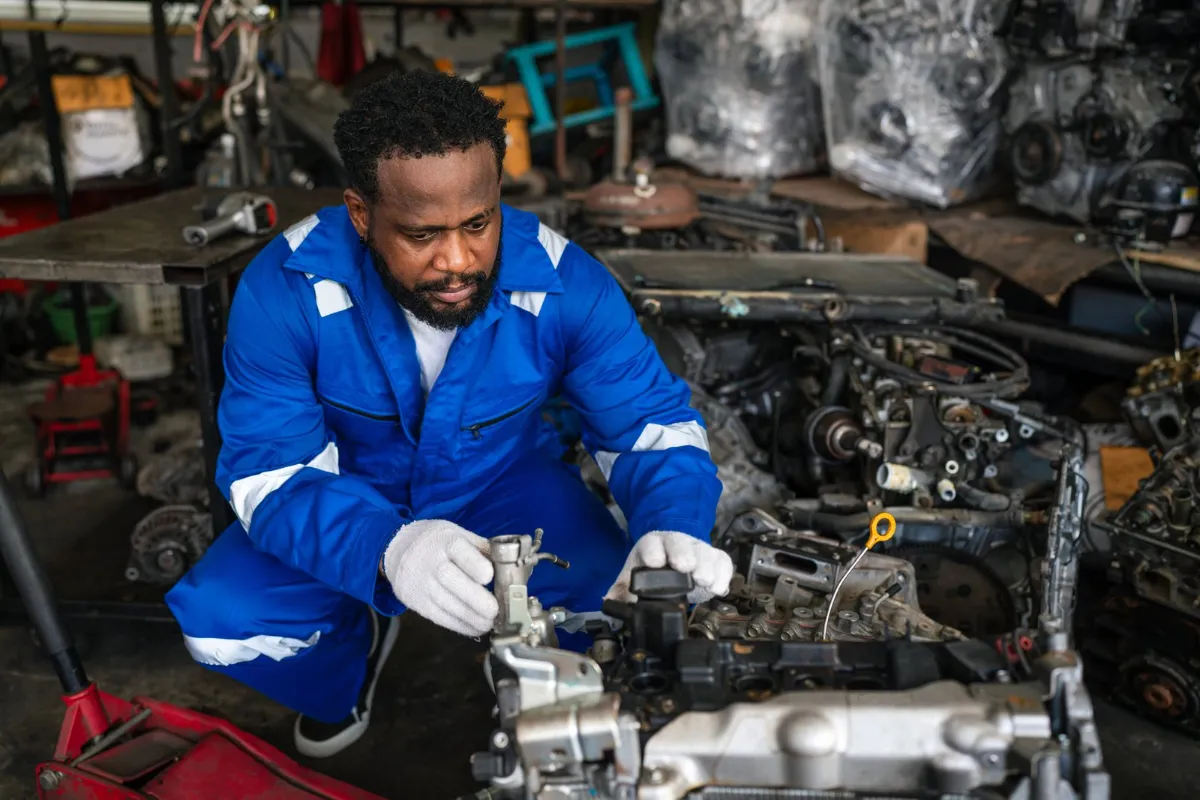
Some floors are not about looks. A shop where outboards are rebuilt, a detached garage where a side-by-side gets serviced, an RV bay with a slab that heats in the afternoon and cools at night, a fabrication space where steel hits the floor. These need a coating that bends a little instead of cracking.
Polyurea is built for that. It is a family of fast-curing, elastic coatings used for everything from truck bed liners to secondary containment. Floor-grade polyurea gives us a base layer that bonds strongly to concrete and flexes with it. This page explains where polyurea fits, how it compares to epoxy and polyaspartic, and how we install it.
In this guide
What makes polyurea different
Epoxy cures into a very hard, rigid film. That hardness is great for scratch resistance but can be a weakness when the slab moves or takes a sharp blow. Polyurea cures into a tougher, more elastic film. It stretches more before it breaks, absorbs impacts better and is less likely to crack when the concrete expands and contracts.
Polyurea also cures quickly and tolerates a wider range of temperatures during application. In floor systems, we usually use it as the base coat, then add flake and a polyaspartic topcoat for UV and scratch resistance. The result combines a flexible foundation with a hard, clear surface.
Polyurea, polyaspartic and epoxy compared
Each coating family has its strengths. This simplified table shows how they differ in the ways that matter most here.
| Polyurea | Polyaspartic | Epoxy | |
|---|---|---|---|
| Flexibility | High | Moderate | Low |
| Impact resistance | Excellent | Good | Good |
| UV stability | Varies by type | Excellent | Poor without topcoat |
| Cure speed | Very fast | Fast | Slow |
| Working time | Short | Short to moderate | Long |
| Typical role | Base coat | Topcoat or full system | Base or full system |
For many garages and shops, the best floor uses more than one. See polyaspartic coatings for the topcoat side of the story.
Shops and service bays
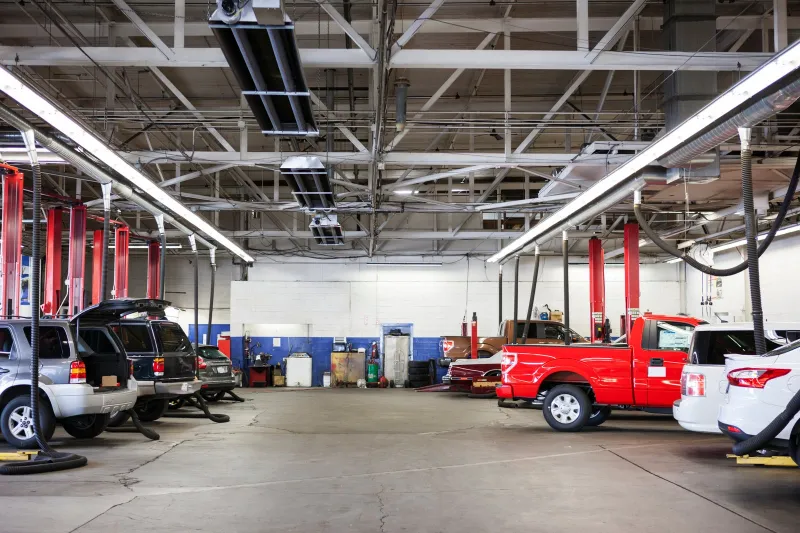
Marine and auto repair shops, small engine shops and fabrication spaces put floors through constant abuse. Engines get dropped onto stands, jacks roll across the slab, and heavy parts land hard. Fluids such as gear oil, hydraulic fluid, coolant and solvents spill every day.
A polyurea base handles those impacts without chipping as readily, and a chemical-resistant topcoat keeps fluids on the surface. We can add texture around lifts and wash areas and mark out work zones in contrasting colors. For shops that cannot close for long, the fast cure means work can resume quickly.
Where we recommend polyurea
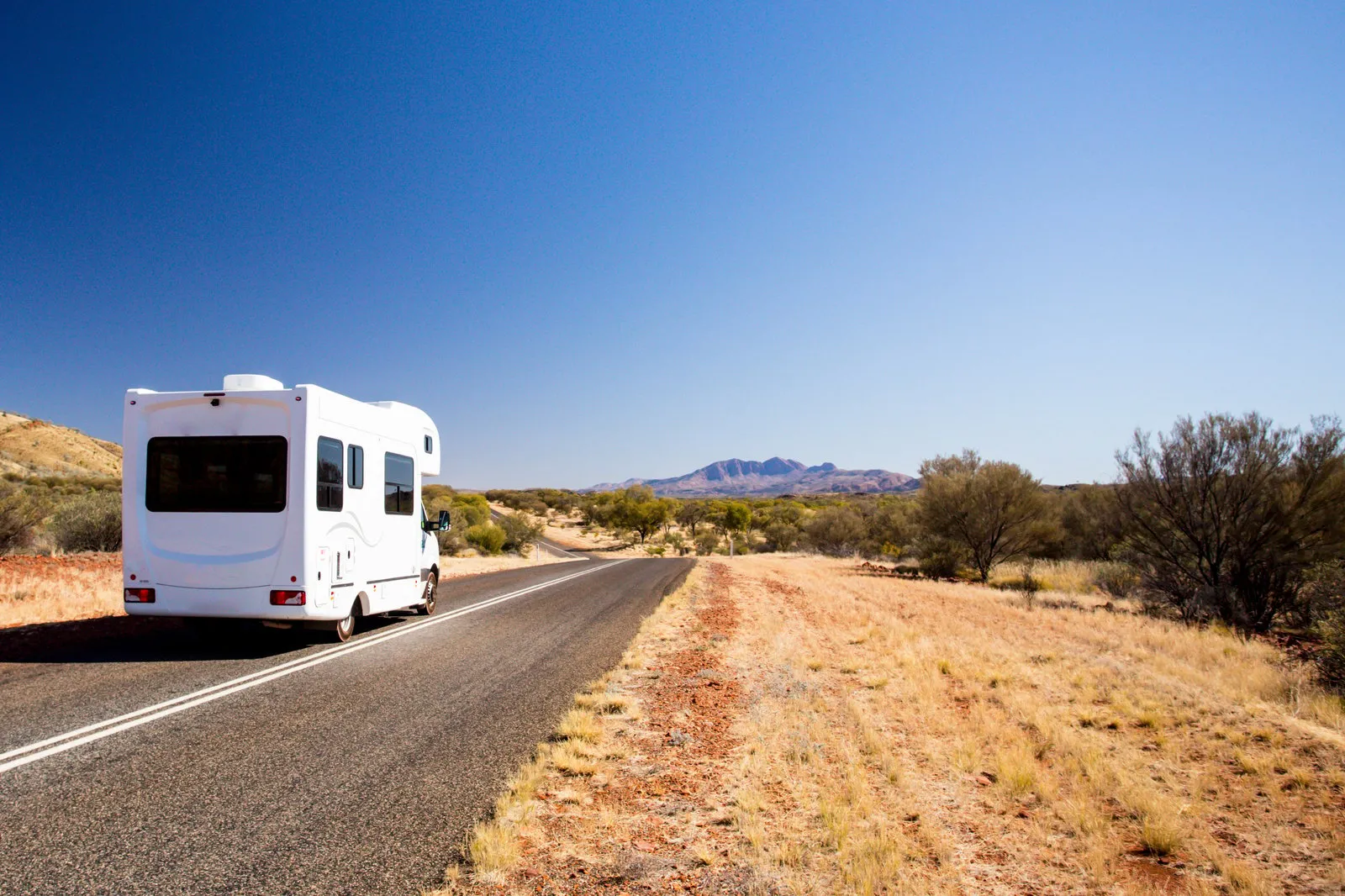
- RV and boat baysHeavy loads, wet floors and big temperature swings.
- Marine repair shopsFuels, lubricants and dropped hardware.
- Auto and small engine shopsImpacts from tools, jacks and parts.
- Detached garages and workshopsUninsulated slabs that heat and cool every day.
- Equipment storageTracks, trailers and heavy machinery.
- Wash baysConstant water, detergents and grit.
Our polyurea installation
Assessment
We check the slab, cracks, moisture and the fluids and loads it will see.
Aggressive grinding
A deep profile gives polyurea the bond it needs.
Crack and joint work
Moving cracks are routed and filled with flexible material.
Polyurea base
Applied quickly in sections, with flake broadcast if chosen.
Topcoat
Polyaspartic or another chemical-resistant topcoat finishes the system.
Return to work
Fast cure means light use within hours and full use soon after.
Uninsulated buildings and daily heat cycles
Many shops, RV garages and detached buildings around Bullhead City, Mohave Valley and Golden Valley are metal or block structures with little insulation. On a summer day, the slab near the door can get very hot, then cool off overnight. Over time, that daily cycle stresses a rigid coating, especially along cracks and joints.
Polyurea is better at riding out that movement. In Golden Valley and Kingman, which sit much higher and see colder winter mornings, the swing is even larger, and polyurea is often our first recommendation for detached shops.
Why polyurea is a job for professionals
Polyurea sets in minutes, so mixing, spreading and broadcasting must happen quickly and in the right order. Poor grinding leads to poor bond, and fast-curing material does not forgive hesitation. Professional crews have the equipment, the material experience and the manpower to apply it correctly in a real working environment.
Joints and cracks in working floors
Control joints and cracks are where working floors tend to break down first. Wheels hammer the edges, fluids settle in the gaps and debris packs in. Before coating, we clean joints out, rebuild chipped edges and fill them with a semi-rigid or flexible filler depending on how much the slab moves. Active cracks can be honored with a flexible sealant so the coating does not crack along them later.
Colors and safety markings
Working floors benefit from light colors, which reflect more light onto the work and make dropped parts easy to find. Many shops choose a light grey base with safety yellow walkways or red no-go zones around lifts and presses. Markings are applied as part of the coating, so they last much longer than paint on bare concrete.
Care for a polyurea floor
Sweep or scrub regularly, since grit trapped under tires and boots is the main source of wear. Clean up fluids during the day rather than leaving them overnight. Use mats under welding and grinding stations, because hot sparks can mark any coating. When high-traffic lanes eventually show wear, the topcoat can be recoated in place.
Cost considerations
Polyurea materials are more expensive than epoxy, and installation requires experienced crews. Shops also tend to need more crack and joint work. On the other hand, a tougher floor lasts longer under heavy use and saves on future repair. We price each project after seeing the space and itemize grinding, repairs, system layers and markings.
Wash bays and rinse areas
Wash bays combine the worst of everything for a floor: standing water, detergents, grit and constant traffic. Polyurea handles the moisture and abrasion well, and we pair it with a textured topcoat so the surface stays safe underfoot. Slope toward drains matters too, so we check falls during the survey and address ponding before coating. Edges around trench drains are rebuilt and detailed so water cannot get under the system.
Detached shops on acreage
Many properties in Mohave Valley, Golden Valley and the outer edges of Fort Mohave have a big detached shop that does everything: vehicle repair, welding, storage and the occasional party. These buildings often have thick slabs but little insulation or cooling. A polyurea base with a light flake broadcast and a hard topcoat gives a floor that copes with impacts, temperature swings and dropped tools, while still looking tidy when friends come round.
Fluids we plan for
Every shop has its own mix of chemicals. Marine shops see two-stroke oil, gear lube and fuel. Auto shops add brake fluid, coolant and parts cleaner. Fabrication shops use cutting oils and degreasers. We ask what you use, and in what quantities, so the topcoat can be chosen to match. Some aggressive solvents call for specialty finishes, and it is better to know that before the floor goes down than after.
Polyurea floor questions
Is polyurea better than epoxy?
It is tougher and more flexible, which makes it better for impacts and temperature swings. Epoxy is harder, cheaper and easier to work with for some jobs.
Does polyurea yellow in the sun?
Some types do. We finish with a UV-stable polyaspartic topcoat wherever daylight reaches the floor.
How fast does it cure?
Very fast. Light foot traffic is often possible within hours.
Can you coat a shop that is still in use?
Often, in sections. We plan the work around your schedule to keep at least part of the shop running.
Is it good for an RV garage?
Yes. It handles heavy loads, wet floors and heat cycles well.
Will it stop cracks from coming back?
It bridges small movement better than rigid coatings, but large structural cracks can still show through.
Is it slippery?
We add texture where floors get wet or oily, which makes it safer underfoot.
Can it be used outdoors?
Polyurea bases can be used outdoors with a UV-stable topcoat, though for patios we usually recommend a dedicated outdoor system.

Get a quote for a tougher floor
Tell us about your shop, bay or workshop and what it goes through each day. We will visit and recommend a system that fits.
Prefer to talk? (928) 555-0147